Stahl Specialty products
Within the Aluminum Foundry: Processes and Innovations in Metal Casting
Within the aluminium foundry, a change is taking place. Conventional casting processes are being enhanced by advanced technologies. Methods like sand casting and die casting are evolving, while innovations such as 3D printing and automated systems push the boundaries of efficiency. Sustainability is emerging as a central concern, driving the industry to incorporate environmentally friendly practices. As these shifts unfold, one must examine the consequences for the future of casting technology and the sectors it benefits.
The Basic Principles of Aluminum Casting Processes
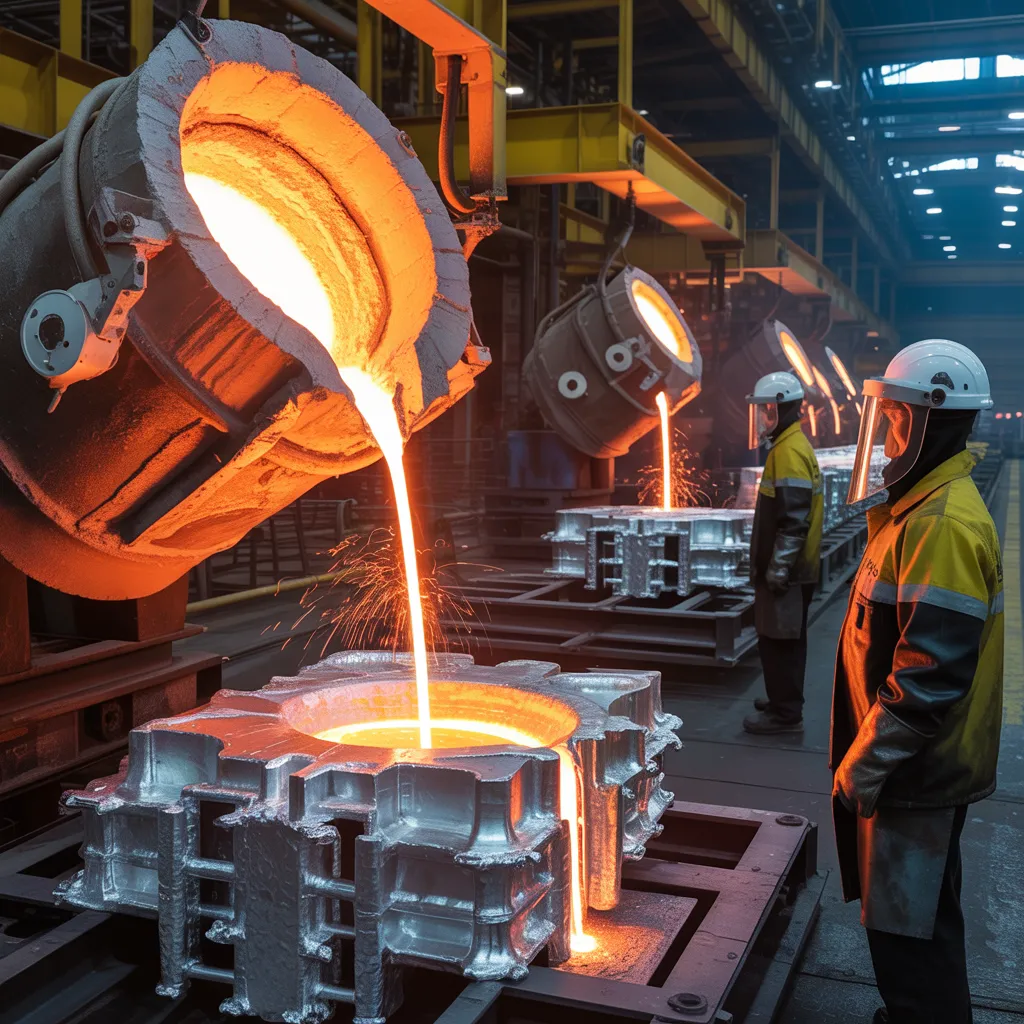
Aluminum casting methods constitute the backbone of modern manufacturing, enabling the production of strong yet light components. These techniques require liquefying aluminum and casting it into molds to obtain the required shapes and dimensions. The flexibility of aluminum supports numerous applications spanning various industries, including automotive, aerospace, and consumer goods.
The primary techniques of aluminum casting include die casting, sand casting, and investment casting, each providing unique benefits. Sand casting makes use of a blend of sand and binder materials to produce molds, while die casting employs metal molds for high-volume production and precision. Investment casting, alternatively, provides excellent surface finishes and intricate designs.
Notwithstanding their variations, every method demands meticulous temperature monitoring and thorough quality control to guarantee the integrity of the end result. As producers push the boundaries of innovation, the efficiency and effectiveness of aluminum casting techniques are fundamental to driving modern engineering advancements.
Essential Methods for Molding and Pouring Aluminum
Within the field of aluminum casting, efficient casting and pouring methods are essential for producing high-quality products. Sand casting methods offer versatility and cost-effectiveness, while die casting processes secure exactness and reliability in output. Understanding these key approaches is fundamental for optimizing the aluminum casting process.
Sand Molding Techniques
Multiple sand molding processes helpful information are critical to the successful molding and casting of aluminum. These processes largely involve green sand mold making, whereby a combination of sand, clay, and water is used to create molds that are strong and adaptable. Additionally, resin-bonded sand molds deliver enhanced durability and surface finish, making them appropriate for detailed patterns. An additional process, evaporative foam casting, utilizes a foam form that evaporates during the pouring process, forming precise shapes with little machining needed. Each process delivers distinct advantages, for example, economic benefits or superior precision, giving foundries the ability to determine the ideal technique based on production needs and the level of detail of the aluminum components being manufactured.
Die Casting Approaches
Die casting processes constitute a fundamental component of aluminum molding, providing accuracy and effectiveness in manufacturing. This process involves forcing molten aluminum into a metal die under high pressure, facilitating detailed configurations and strict dimensional requirements. Two primary techniques dominate the industry: hot chamber and cold chamber casting methods. Hot chamber die casting is well-suited for low-melting-point alloys, since it reduces the metal's contact with air. Conversely, cold chamber die casting is ideal for high-temperature alloys, necessitating distinct melting and injection mechanisms. Both approaches deliver swift production processes, reducing waste and enhancing dimensional accuracy. As manufacturing industries grow more reliant on weight-reduced components, these die casting techniques continue to evolve, integrating advanced technologies to meet modern manufacturing challenges.
Innovative Technologies in Aluminum Casting
With progress in materials science move forward, aluminum casting is being revolutionized fueled by innovative technologies. One notable development is the incorporation of 3D printing, which facilitates the swift development of complex molds and cores, considerably lowering lead times and costs. Additionally, the use of advanced simulation software empowers foundries to streamline casting operations, minimizing defects and improving material yield.
One additional groundbreaking technology encompasses the integration of robotic automation, which enhances precision and efficiency in processing materials and carrying out repetitive tasks. Furthermore, the deployment of real-time monitoring systems enabled by IoT devices enables superior quality management by delivering instant insights into process parameters.
These innovations not only streamline operations but also enhance the overall quality of aluminum castings, positioning the industry for future growth and competitiveness. As these advancements become more widely accepted, they hold the potential to substantially redefine the aluminum casting landscape.
How Aluminum Casting Can Achieve Sustainability
As the aluminum casting industry encounters mounting expectations to implement environmentally responsible methods, a number of approaches are surfacing to tackle ecological challenges. One prominent strategy centers on the improved utilization of recycled aluminum, which considerably decreases power demands and harmful gas output when measured against raw material processing. By incorporating reclaimed aluminum, metal casting facilities can reduce waste and shrink their environmental impact.
In addition, many foundries are embracing sustainable technologies, such as electric melting systems and superior insulation, to decrease energy demands during the metal melting process. The implementation of recirculating water systems also supports water preservation, a key resource in manufacturing operations.
Furthermore, adopting sustainable materials and processes, featuring low-emission coatings and biodegradable binders, promotes a more environmentally responsible manufacturing cycle. These measures not only adhere to ecological standards but also address the expanding demand for environmentally conscious manufacturing, situating the aluminum foundry industry as a forward-thinking leader in sustainability.
Enhancing Efficiency With Technology in Aluminum Foundries
The incorporation of technology in aluminum foundries serves a critical function in improving operational performance. Automation streamlines processes, while intelligent monitoring solutions offer immediate visibility into production metrics. Moreover, data analytics applications enable foundries to optimize performance and reduce waste, propelling progress throughout the industry.
Automation Within Metal Casting
How does automation have the power to revolutionize aluminum foundry operations? Automation incorporates sophisticated technologies that optimize processes, considerably boosting operational performance. By integrating robotics and automated machinery, foundries can achieve precise material handling and reduce human error during casting operations. This change not only boosts production rates but also secures reliable quality in finished goods. Automated systems can oversee responsibilities such as mold preparation, pouring, and cooling, freeing skilled workers to address more intricate challenges. Additionally, data-driven analytics can optimize production schedules and resource allocation, further maximizing output. The implementation of automation promotes a safer workplace by reducing manual labor hazards, ultimately enabling aluminum foundries to address growing market demands with flexibility and dependability.
Intelligent Monitoring Solutions
Transforming the operational landscape of aluminium casting facilities, advanced monitoring platforms harness real-time data to boost productivity and performance. Such sophisticated solutions integrate sensor networks and IoT infrastructure to continuously monitor essential metrics such as material flow, temperature, and pressure levels. By offering immediate operational data, they empower workers to make data-driven choices, spotting emerging issues before they develop into major concerns. This preventive methodology limits operational disruptions and cuts waste, translating into measurable financial benefits. Moreover, advanced monitoring solutions optimize resource distribution by analyzing usage patterns and optimizing processes. Consequently, metal casting facilities can produce superior results while maintaining sustainable practices, establishing a strong competitive position in a challenging marketplace. This integration of technology marks a significant step forward in metal casting innovation.
Data Analytics Applications
Drawing from the advancements in intelligent monitoring solutions, data analytics platforms are reshaping aluminum foundries by leveraging extensive operational data. These platforms empower foundries to assess production insights, pinpoint operational weaknesses, and forecast mechanical issues proactively. By employing machine learning algorithms, foundries can enhance melting procedures and advance alloy development, leading to higher quality outputs. Moreover, data analytics supports real-time decision-making, permitting staff to fine-tune variables instantly and minimize material loss. Adopting predictive analytics assists in coordinating upkeep, thus reducing operational interruptions. Ultimately, data analytics not only optimizes workflows but also cultivates a culture of ongoing advancement, ultimately driving profitability and sustainability within the aluminum casting industry.
Modern Trends in Aluminum Casting Operations
In the fast-changing environment of production operations, a substantial transition is in progress in aluminum foundry operations. Industry participants are actively embracing advanced technologies such as AI, automation, and machine learning to enhance efficiency and precision. These technologies support instantaneous oversight of casting procedures, enabling prompt corrections and reducing defects.
Sustainability represents another critical trend; foundries are embracing environmentally conscious practices, including recycling scrap aluminum and reducing energy consumption. Additive manufacturing techniques are also gaining traction, allowing the creation of intricate geometries that conventional methods cannot produce.
In addition, the need for low-weight materials in the automotive and aerospace industries is pushing the progression of high-grade aluminum alloys. As these forces come together, the aluminum casting sector is poised for a new era of transformation, characterized by greater competitiveness and a commitment to green manufacturing practices.
Frequently Asked Questions
What Are the Essential Safety Measures in Aluminum Foundries?
Key safety protocols in metal casting plants encompass adequate ventilation systems, appropriate personal protective gear (PPE), scheduled equipment servicing, training in emergency procedures, and adherence to safety protocols to protect employees and eliminate potential hazards.
How Does Temperature Change Influence Aluminum Casting
Temperature inconsistencies may result in inconsistent cooling rates in aluminum die casting, producing defects including warping or cracking. Keeping temperatures stable is essential for producing consistent solidification and ideal mechanical properties in the finished product.
What Are Typical Defects in Aluminum Castings?
Common defects in aluminum castings include porosity, shrinkage, misruns, cold shuts, and inclusions. These defects develop from factors like inadequate temperature management, insufficient mold configuration, and impurities, significantly compromising the strength and reliability of the castings.
How Is Quality Control Preserved in Aluminum Foundries?
Quality assurance in aluminum foundries is upheld through stringent inspection procedures, conformance to established industry standards, routine equipment calibration, and uninterrupted monitoring of casting variables, guaranteeing consistency and reducing defects across the production cycle.
What Certifications Do Aluminum Foundries Commonly Need?
Aluminum foundries typically require certifications like ISO 9001 for quality management, ISO 14001 for managing environmental compliance, and particular industry requirements like ASTM or SAE to ensure adherence to quality and safety requirements in the metal casting industry.