Metal Foundry: Advanced Casting Technology for Machinery
Within a Casting Foundry: The Heart of Metal Manufacturing
Inside a casting foundry, processes unfold that are essential to metal manufacturing. Smelting furnaces turn alloys into liquid metal, while trained workers manage detailed casting molds. Automation plays a key role, enhancing efficiency and sustainability. However, the field faces numerous challenges that could affect its long-term outlook. Understanding these dynamics reveals more than just production; it underscores a intricate relationship of heritage techniques and cutting-edge solutions. What the future holds for this indispensable industry?
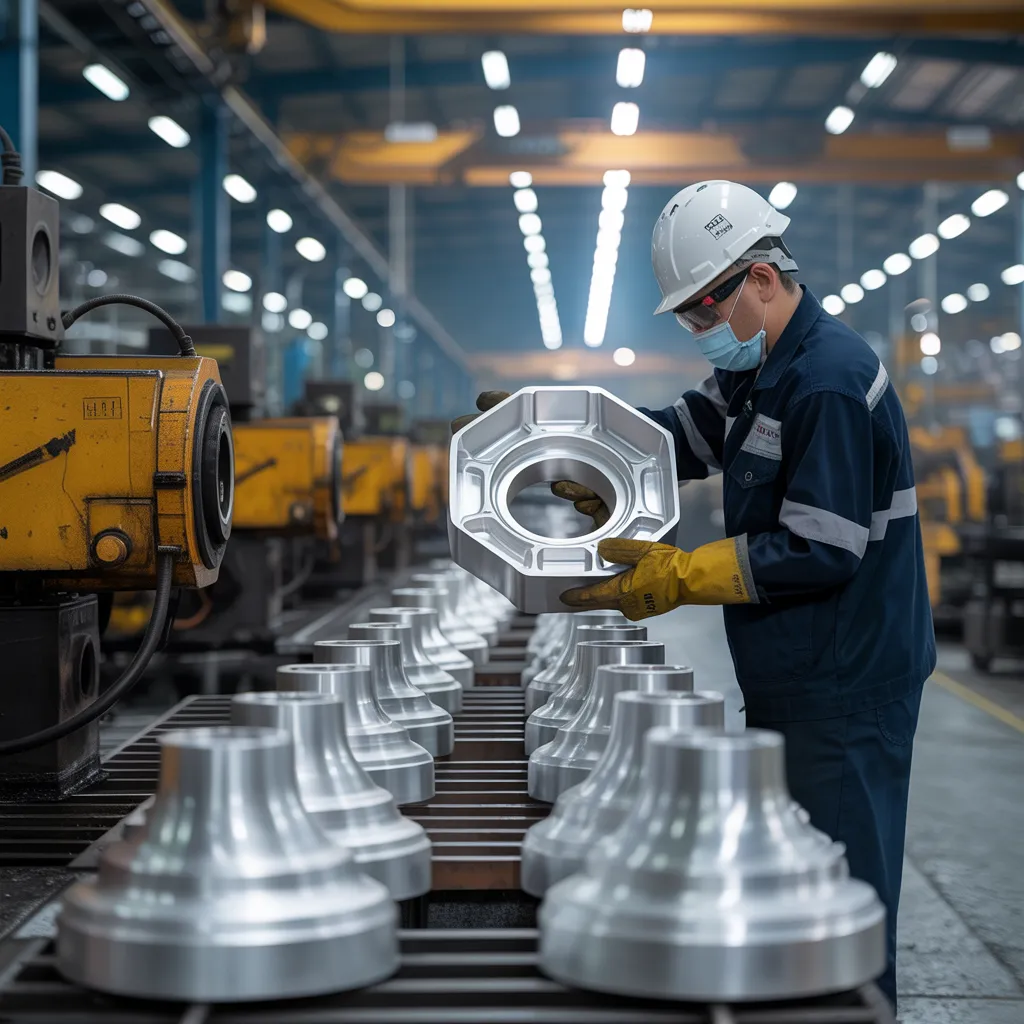
The Essentials of Metal Casting
Metal casting functions as a foundational process in manufacturing, converting liquid metal into solid shapes. This method has been used for centuries, permitting artisans and manufacturers to craft components with detailed shapes and exact dimensions. The procedure starts with choosing appropriate metal alloys, which are afterward heated and melted at high temperatures.
Once the metal is molten, the metal is poured into molds built to define the final product. Such molds can be made from various materials, including metal, sand, and ceramic, according to the required specifications and production volume.
After the metal cools and solidifies, the mold is removed, uncovering the cast object. This process delivers notable benefits, such as decreased material waste and the ability to produce elaborate shapes that would be hard to attain through alternative manufacturing methods. Comprehending these core concepts is vital for understanding the value of metal casting in today's industry.
Essential Processes in Metal Casting: Melting, Molding, and Refinement
The journey of metal casting unfolds through three critical processes: melting, shaping, and refinement. At the outset, metal is heated in a furnace until it achieves a liquid molten state, facilitating greater workability. This melting stage is essential, as it defines the overall quality of the finished piece.
After this process, the melted metal is cast into casting molds, which shape it into specific forms. The type of casting material—such as sand, metal, or ceramic—impacts the cast piece's surface finish and dimensional accuracy.
In the final stage, refinement involves allowing the cast metal to cool and solidify, with subsequent techniques such as heat treatment, machining, or polishing to improve its mechanical characteristics. This step confirms that the final product meets exacting quality benchmarks and detailed specifications. Every one of these steps is vital, playing a role in the overall performance and success of metal casting, culminating in high-quality components for various industries.
Advancements in the Modern Foundry Industry
As the foundry industry evolves, new developments are transforming conventional methods, enhancing efficiency and sustainability. Developments in modern technology, including 3D printing, are transforming the mold manufacturing process, allowing for complex designs and reduced lead times. This technique not only cuts down on waste but also promotes personalization, addressing individual client requirements with greater precision.
Moreover, the adoption of robotics and automation technologies optimizes workflows, boosting productivity while minimizing human error. Advanced manufacturing solutions, including IoT sensors, supply live data analytics, supporting accurate operational monitoring and predictive maintenance.
Additionally, green materials and techniques are gaining traction, reducing the ecological footprint of metal casting. The adoption of reclaimed metals and energy-saving furnaces highlights a transition towards more sustainable practices, aligning with global sustainability goals. These breakthroughs collectively contribute to a more progressive and accountable foundry sector, ready to meet upcoming demands while satisfying the growing requirements of the marketplace.
What Challenges Do Casting Foundries Face?
What difficulties do casting foundries experience in an constantly changing industry? One primary difficulty involves the instability in raw material expenses, which can greatly affect production budgets. Additionally, environmental regulations are growing ever more demanding, compelling foundries to invest in cleaner technologies to lower emissions and reduce waste. This transition demands significant capital investment, which can burden smaller facilities.
Moreover, overseas manufacturing competition tends to generate pricing challenges, posing challenges for domestic foundries to sustain profit margins. Foundries must also contend with accommodating rapid technological advancements, including automation and digitalization, which require persistent investment and skills development.
Additionally, supply chain disruptions, exacerbated by international developments, pose a continual risk, disrupting the on-time delivery of materials and components. In combination, these difficulties necessitate foundries to remain agile and innovative to thrive in a competitive market environment.
The Significance of Skilled Labor in Casting Foundries
While automation and technology continue to reshape the production environment, experienced labor remains a critical pillar in casting foundries. The detailed demands of metal casting necessitates a breadth of understanding that machines alone cannot replicate. Skilled workers possess the expertise to interpret complex designs, identify the right materials, and resolve challenges that emerge during the casting process. Their real-world knowledge is indispensable for ensuring quality control and precision, particularly in high-stakes projects that require precise measurements.
Moreover, skilled labor plays a significant role in maintaining and optimizing machinery, confirming that production proceeds efficiently and consistently. As casting techniques advance, these professionals are also responsible for adjusting and improving methods, integrating new technologies while retaining traditional craftsmanship. Within this evolving landscape, the synergy between skilled labor and reference technological advancements is critical for maintaining the standards and dependability that characterize thriving casting foundries.
Future Trends in Casting: What's Next for the Industry?
Growing developments in the casting field are ready to redefine its trajectory, propelled by technological progress and changing industry needs. Automation and artificial intelligence are progressively optimizing production processes, improving accuracy and reducing labor costs. Furthermore, the incorporation of 3D printing is revolutionizing mold creation, allowing for advanced design possibilities and reduced lead times.
Sustainability is emerging as a key priority as organizations work to lessen their ecological footprint. This encompasses the use of recycled materials and the adoption of energy-efficient processes across foundries. Furthermore, the growing need for lightweight materials, especially in the automotive and aerospace industries, is driving advancements in alloy development.
The field is equally observing a movement in the direction of modernization, where IoT solutions support instantaneous tracking and anticipatory upkeep. As these advancements come together, the casting sector is expected to undergo considerable advancements, positioning itself to meet the demands of an evolving worldwide environment.
Frequently Asked Questions
What Types of Metals Are Commonly Cast in Foundries?
Frequently cast metals in foundries consist of aluminum, iron, steel, bronze, and brass. Every metal carries distinct characteristics, making them suitable for various applications, ranging from automotive parts to ornamental pieces, showcasing the flexibility of casting techniques.
What Are the Environmental Impacts of Metal Casting?
The metal casting process impacts the environment through emissions, energy consumption, and waste generation. Such operations may result in pollution of air and water, while also consuming considerable resources, creating the need for sustainable practices and technologies in the field.
What Safety Precautions Are Implemented for Foundry Workers?
Foundries implement numerous safety measures, including protective gear, ventilation setups, routine training programs, and strict adherence to safety protocols. Such protocols serve to reduce workplace hazards and guarantee a safe working environment for all employees.
How Are Casting Flaws Detected and Addressed?
Casting flaws are detected using visual examinations, dimensional assessments, and non-destructive evaluation techniques. Corrections involve modifying procedures, fixing flaws, or repeating the casting process as needed to maintain quality standards and conformance to requirements.
What Is the Usual Production Timeline for a Casting?
A conventional manufacturing timeline for a casting encompasses several stages: pattern creation, mold making, pouring, cooling, and finishing. This procedure usually spans from a few days to several weeks, according to complexity and production volume.